Showing posts with label literature. Show all posts

07 April 2020

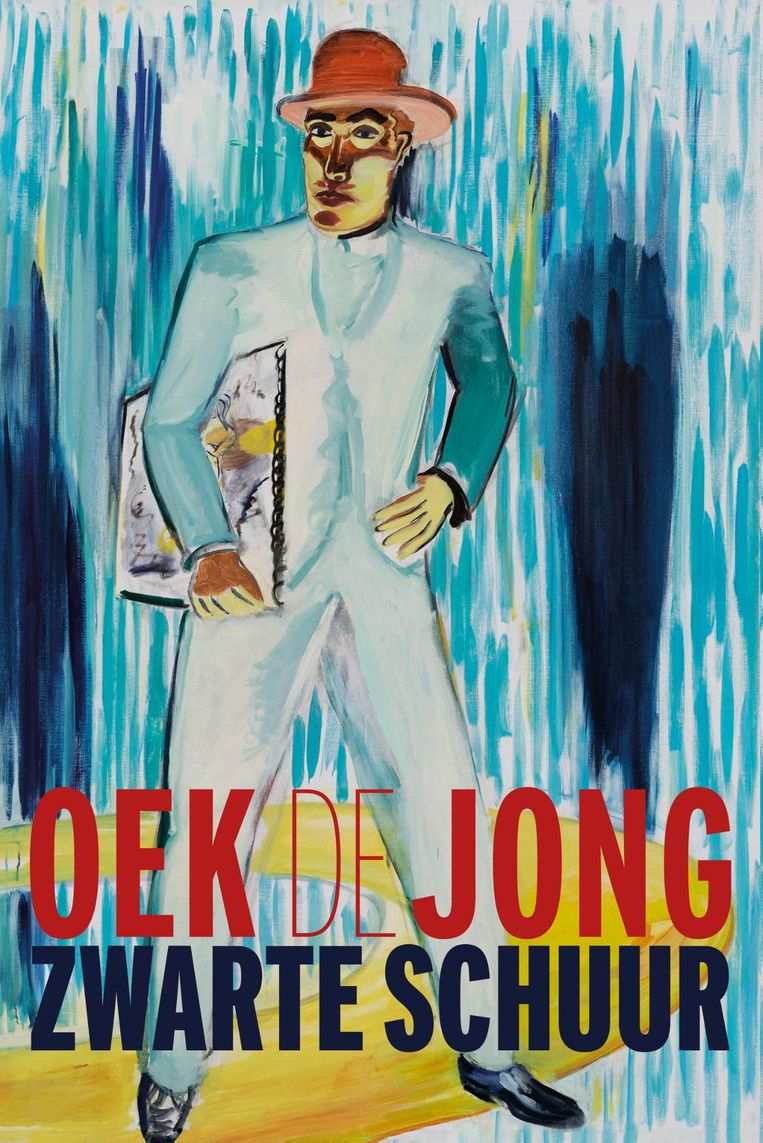
Zwarte schuur by Oek de Jong

Heldere zinnen, troebele motieven bij Oek de Jong | Het Parool

I won't easily forget reading 'Cirkeltje in het gras' (Circle in the grass) by Oek de Jong the summer before secondary school. It must have been a random find in the bookshelves of a campsite or rented house that appealed to me. Oek de Jong has his own sensual style, not shying away from writing about sex, and it opened my eyes to a grown up world that was yet new to me.
The first week in secondary school, our first Dutch lesson: the teacher asks all of us to share the title of our favourite novel with the class. Most mention teenage novels and authors that must be very familiar to him. When it's my turn I bluntly state 'Cirkeltje in het gras', half-knowing that it will shock the teacher. It does.
I have set the bar for the rest of my six years at secondary school to read, re-read and write essays about everything that is new, different, Literature with a capital and without.

Facing quarantaine and no work to do from home other than home schooling, I kindly ask someone to bring around some books. What a surprise to find Zwarte Schuur (Black Barn) by Oek de Jong in the stack! It was first published in 2019, which escaped my attention completely. From page 1 I set off on a new adventure, almost holiday like feeling of reading such a well written, well composed novel. The sensuality and sex are less prominent, or maybe I am less new to it. The characters are so well wrought, and real, and something else is new to me this time: their age, and the stage of their relationship. The story is so vivid that I automatically start picturing myself in that fase of life and relationship of the protagonists who are in their 60's.

Let's hope Zwarte Schuur isn't Oek de Jong's last great novel. I definitely hope to be carried away one more time by his great storytelling. Be it during quarantaine or after.

Opnieuw toont Oek de Jong zich een verteller in de ...
Oek de Jong by Vrij Nederland 

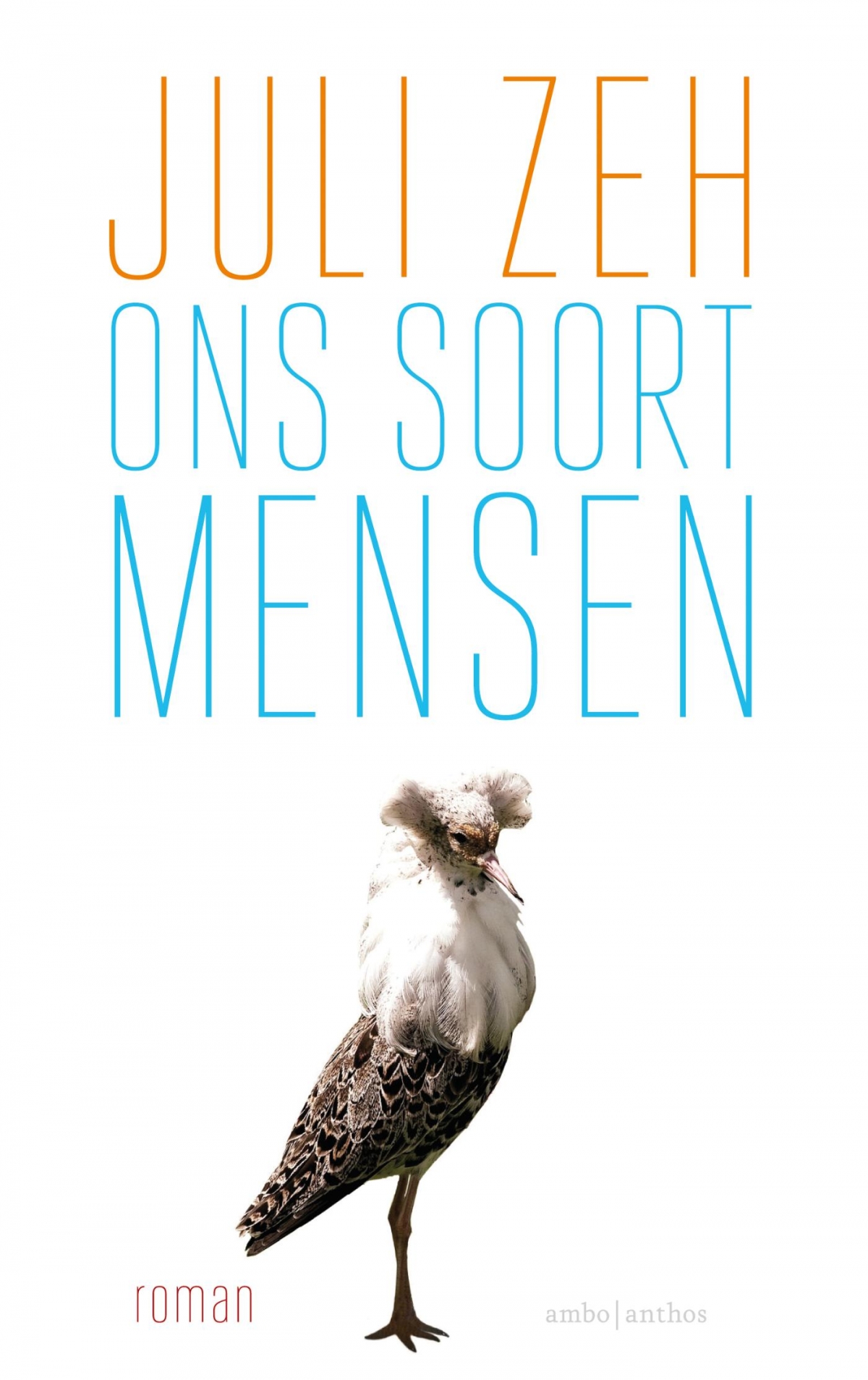
Ons soort mensen by Juli Zeh

Ons soort mensen - Juli Zeh
Juli Zeh – Ons soort mensen – 2016 | Ontknoping
Juli Zey by https://erikgveld.wordpress.com/

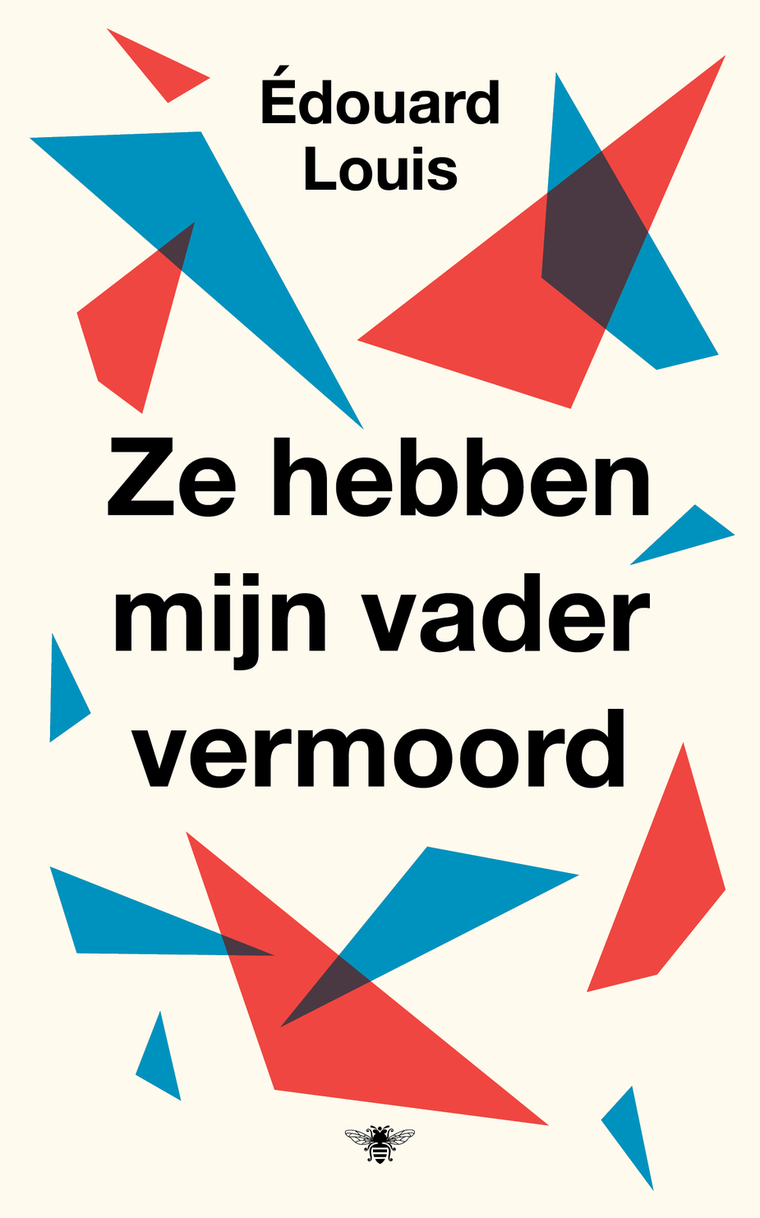
Ze hebben mijn vader vermoord by Édouard Louis

Ze hebben mijn vader vermoord - De Bezige Bij

Also by Édouard Louis: Weg met Eddy Bellegueule

For the French Author Édouard Louis, His Books Are His ...
Édouard Louis by NYTimes

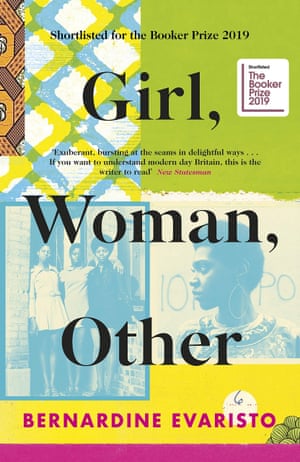
Girl, Woman, Other by Bernardine Evaristo

Margaret Atwood and Bernardine Evaristo share Booker prize ...


Bernardine Evaristo
Bernardine Evaristo from bevaristo.com

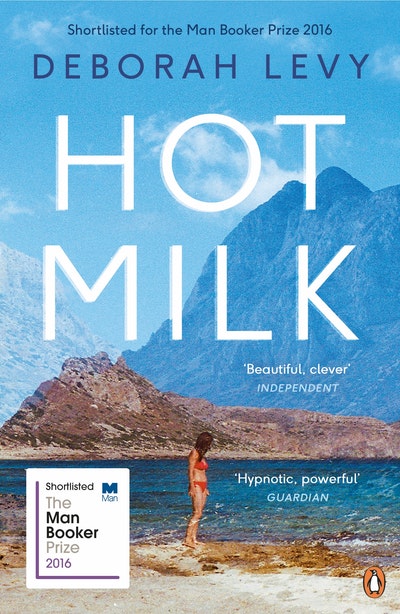
Hot Milk by Deborah Levy

Hot Milk by Deborah Levy - Penguin Books Australia

22 February 2020

De kleine prins by Tiny Fisscher and Mark Janssen


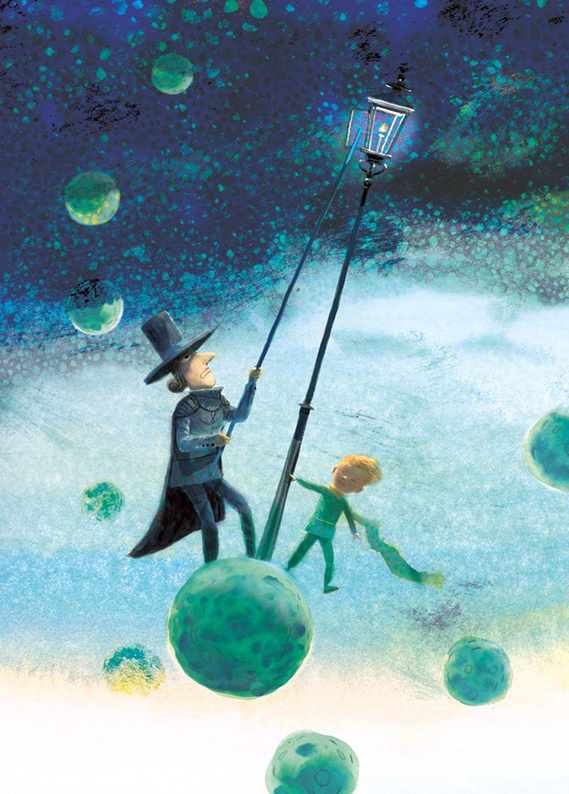
Here at home reading with my son, we just loved the newly translated story of The Little Prince, and how he tells the pilot about his travels to the different planets. His favourite tells the story of his short visit to the tiniest planet on the picture below, with only one inhabitant, the lamplighter who lights the lamp every night and puts it out in the morning.
My son doesn't seem to get the how and the why of grown ups running around trying to be on time, hurrying everywhere, missing all the fun. This story was right up his alley, as on this tiniest of planets one day equals only a minute on earth, and the light needs to be lit ánd put out all the time. Very frustrating for its sole inhabitant, very funny indeed for my little dreamer.


Afbeeldingsresultaat voor tiny fisscher de kleine prins

Swimming home by Deborah Levy

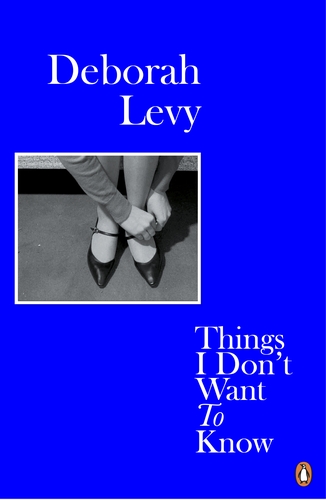
Things I don't want to know by Deborah Levy

This little book (162 pages) is a real treasure that you want to read, re-read and then re-read again just to make to have captured all its wittiness, cleverness and depth. The essay was written as a response to George Orwell's essay 'Why I Write', published in 1946.

Levy writes a few very sharp and uncomfortable observations about motherhood and women, and I can't help but quote a few here:

"... our children made us happy beyond measure - and unhappy too - but never as miserable as the twenty-first-century Neo-Patriarchy made us feel. It required us to be passive but ambitious, maternal but erotically energetic, self-sacrificing but fulfilled - we were to be Strong Modern Women while being subjected to all kinds of humiliations, both economic and domestic. If we felt guilty about everything most of the time, we were not sure what it was we had actually done wrong." (p. 23)

On her youth in South Africa:

"There is only one memory I want to preserve. It is Maria, who is also Zama, sipping condensed milk on the steps of the doep at night. The African nights were warm. The stars were bright. I loved Maria but I'm not sure she loved me back. Politics and poverty had separated her from her own children and she was exhausted by the white children in her care, by everyone and everything in her care. At the end of the day, away from the people who stole her life's energy and made her tired, she had found a place to rest, momentarily, from myths about her character and her purpose in life." (p. 118)


BBC Radio 4 - Bookclub, Deborah Levy - Swimming Home

Drift by Bregje Hofstede

Drift - Bregje Hofstede

Bregje Hofstede - foto Nathalie Hill

01 February 2020

Notes to self by Emilie Pine

Notes to Self eBook by Emilie Pine - 9781984855466 ...

Literary Festival - Meet the Writers - West Cork Music
Emilie Pine by Westcorkmusic.ie
 

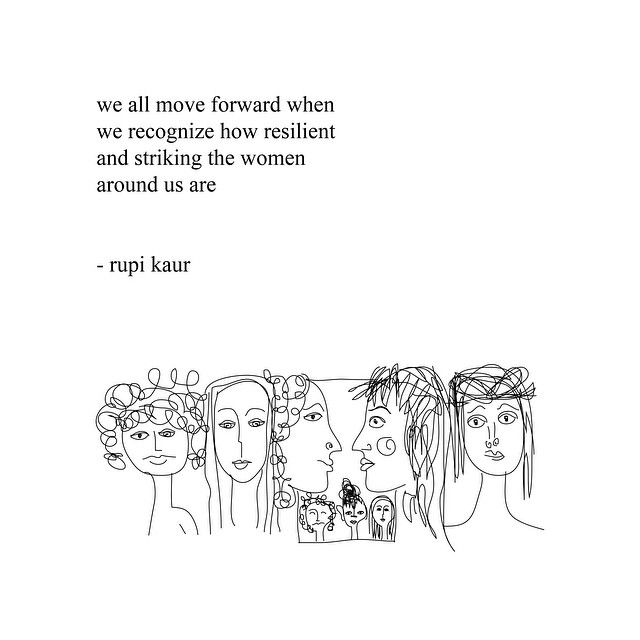
Milk and honey by rupi kaur


Rupi Kaur | The Poetry Department . . . aka The Boynton Blog


This is the journey of
surviving through poetry
this is the blood sweat tears
of twenty-one years
this is my heart
in your hands
this is
the hurting
the loving
the breaking
the healing

- rupi kaur

Rupi Kaur: The Poetess Behind Milk & Honey – FEM

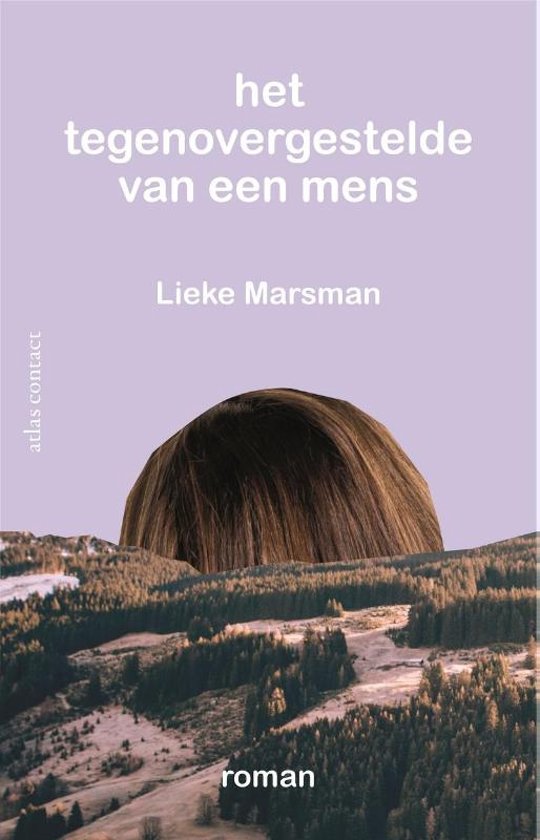
Het tegenovergestelde van een mens by Lieke Marsman

bol.com | Het tegenovergestelde van een mens, Lieke ...

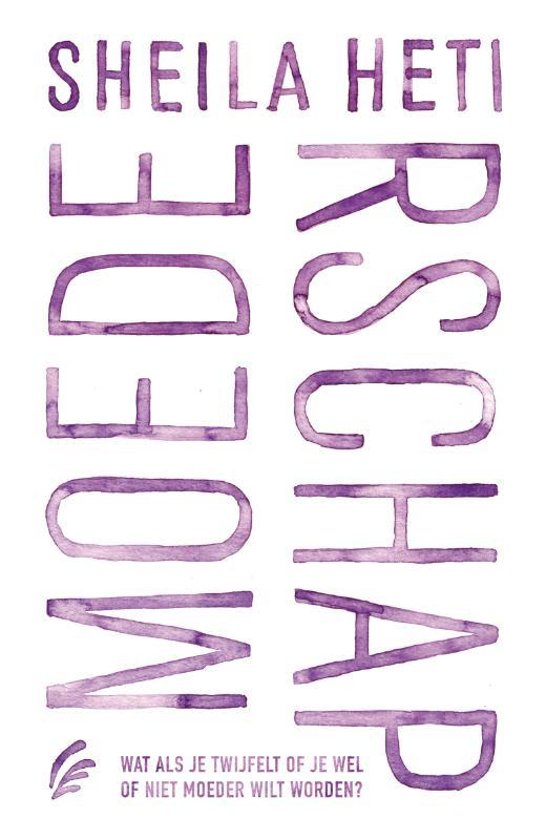
Motherhood by Sheila Heti


MoederschapMotherhood by Sheila Heti is a research into the context of motherhood, cultural, personal, historical and also spiritual. My edition has a slogan on the cover that says: what if you are in doubt about wanting to become a mother or not? which gave me a bad start: I am already a mum, there's nothing to doubt about. But then, Sheila Heti does give much food for thought about why I became a mother.
flashback
I was in love, 17 and mature, or so I felt. The relationship was a few hours old when my boyfriend said 'I want to marry you and I want your children'.

I was confused about love, in my early twenties and head over heels with a boy from my class who was gay. Months later, trying to make sense and peace, he explained: 'you are so tall and beautiful, I wanted your children.'

Still confused, and still in my early twenties, with the same long legs that attracted certain types, my lover told me: 'I want you to have my child, and I will pay you well for it.'

26 and well seasoned in all kinds of love, it was spring and my boyfriend had not asked me to marry yet. He really wished for children he said, and hoped for his parents to be part of their lives. In my body I sensed that this could be a good father.

And my own words all these years? I'm not a type to be a mother, I will have many brainchildren.

Before this idea of brainchildren had a chance to be really tested, as the story of Sheila Heti does, I had two little children of flesh and blood.

So why did I want my children? Was it evolutionary, stronger than my own will and my favor to the human race? Was it pure love, the idea that we could raise two happy healthy children together? Was it because I wanted to please my partner, was it to satisfy his urge to pass on his DNA?

Sheila Heti unravels all these arguments, and added one that was new to me, what is really best for ME?

Sheila Heti | University of Toronto Alumni

29 January 2020